

Food Security in Sudan. A worsening tragedy and missed opportunities for peace.
Sudan faces the world’s worst food crisis, with over 26 million people acutely food insecure and 10 million on the brink of famine. Armed conflict has devastated agriculture, pastoral livelihoods, and infrastructure while displacing millions. Urgent international action is needed to secure humanitarian corridors, support agriculture, rebuild infrastructure, and promote inclusive peace. Food security is a fundamental human right, and ending the crisis starts with stopping the war and ensuring aid reaches those in need.
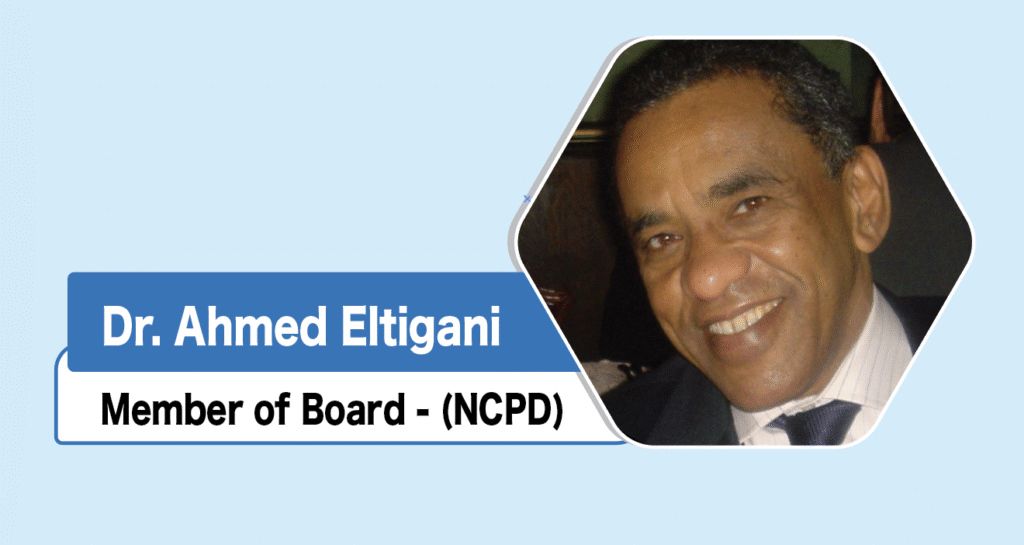
Dr. Ahmed Eltjan Sid-Ahmed
Summary of the lecture:
The lecture addresses the catastrophic impact of the ongoing war in Sudan on food security, where more than 26 million people are facing acute food insecurity, while another 10 million are on the brink of famine. The lecture also reviewed the challenges resulting from the armed conflict, such as targeting camps, populated areas, and relief facilities, in addition to the country’s critical infrastructure, and also touched on the inadequacy of the international response to this unprecedented humanitarian crisis.
The main themes of the lecture:
– Humanitarian crisis: Sudan is experiencing the world’s worst food crisis and the world’s largest displacement crisis.
– Aid deliveries have been disrupted, aid workers have been targeted, and agricultural areas have been reduced due to violence and displacement.
– The inadequacy of the international community, the weak international response, and the continued external support for the warring parties.
– The lack of real international pressure to stop the war and ensure access to aid.
1- The impact of the war on the agricultural sector
A- Reduced cultivated areas.
The war caused a decrease in the land targeted for cultivation from about 46 million feddans to 36 million feddans, which affected the production of cash and food crops.
B. Disruption of supply chains.
The conflict in Sudan led to a shortage of fertilizers, seeds, and pesticides due to the disruption of supply chains.
2- The impact of the war on the pastoral sector:
A- Shortage of water resources and pastures.
The war in Sudan led to the degradation of water resources and rangelands, which greatly affected livestock and the livelihoods of pastoralist communities.
B. Increased local conflicts.
The war in Sudan has major repercussions on resources, and the conflict over resources has exacerbated conflicts between agricultural and pastoralist communities.
3- Migration and displacement:
– Internal and external displacement.
The war has led to the internal displacement of more than 7 million people, in addition to more than 1.5 million Sudanese refugees to neighboring countries.
4- Forests and Environment
Degradation of vegetation
The conflict in Sudan caused an increase in the cutting of trees by citizens, to be used for fuel and construction.
B- Loss of biodiversity.
The destruction of forests has threatened plant and animal species.
A vision for mitigating the crisis and promoting peace in Sudan.
– Stopping the conflict and achieving peace as a first step.
– Supporting agriculture and rehabilitating infrastructure.
5. Suggestions for solutions
A- Short-term solutions:
– Securing humanitarian corridors and establishing an international mechanism to monitor the distribution and coordination of aid.
– Using technology to monitor and secure the delivery of relief.
– Strengthening the capacities of humanitarian organizations.
– Involve local communities in planning and implementing relief programs.
– Establishing an international emergency fund and providing resources and training for relief workers.
B- Long-term solutions:
– Rebuilding the agricultural and pastoral sector.
– Land reclamation and rehabilitation of irrigation systems.
– Establishing pastoral reserves and providing vaccines for livestock.
– Strengthening governance and transparency.
-Rebuilding infrastructure, such as repairing roads, health and education facilities.
– Political and diplomatic pressure, and imposing sanctions on the military supporters of the warring parties.
– Launch an inclusive dialog to achieve transitional justice and hold those responsible accountable.
Implementation vision:
– Engage the private sector to support agriculture and infrastructure.
– Cooperate with international institutions to create sustainable financing programs.
– Organize media campaigns to raise international awareness of the crisis.
Concluding message:
The right to food is a basic right that millions of Sudanese are deprived of because of the war, and ending this crisis begins with stopping the war and ensuring that aid reaches those who need it, especially since food security in Sudan is not just a local issue, but an international responsibility.
Dr. Ahmed Eltjan Sai-Ahmed.
Nubian Center for Peace and Democracy
December 7, 2024, Kampala.